LP Agent
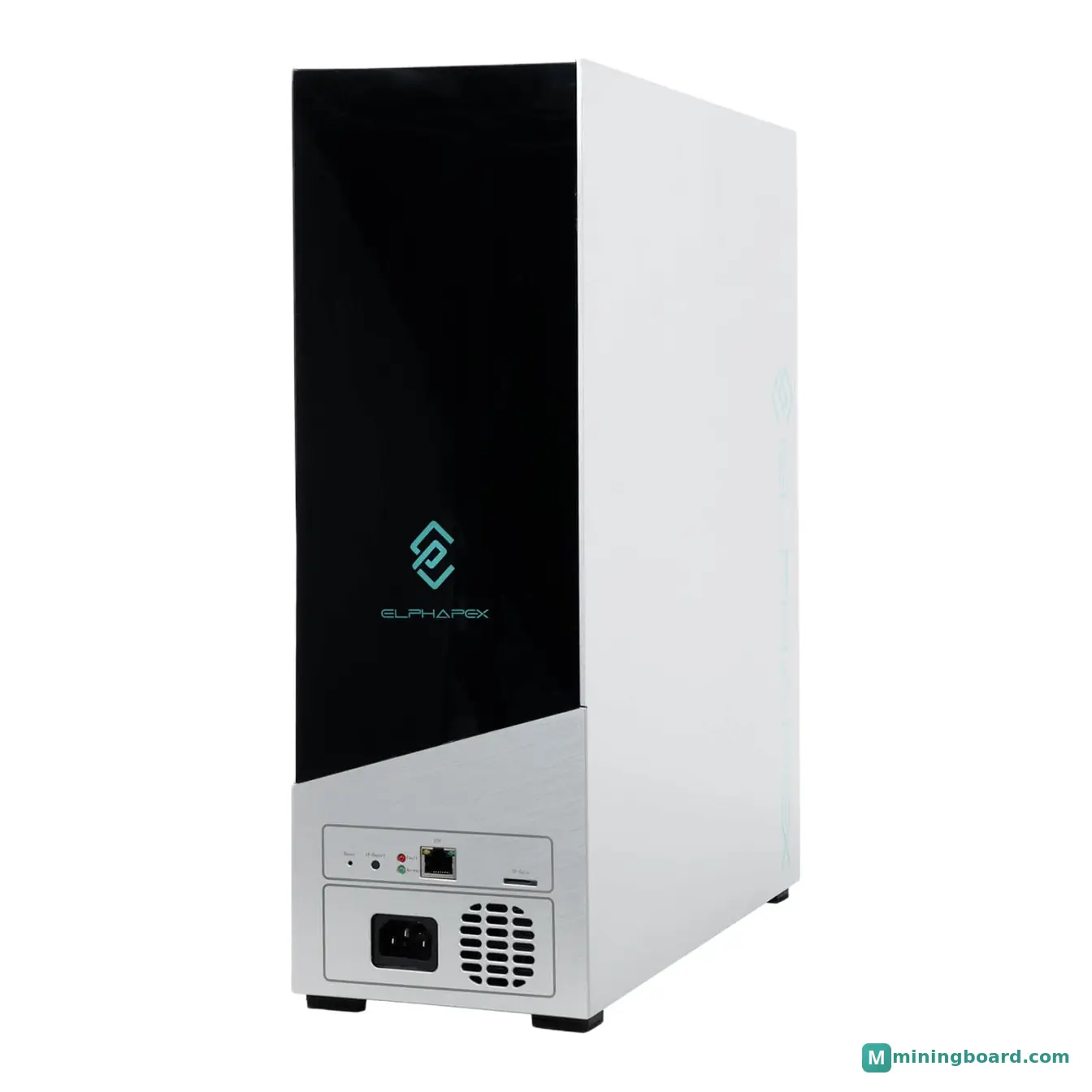
Elphapex DG Home 1 — 挖矿盈利模拟器
Elphapex DG Home 1 每天净亏 $0.31 挖 Scrypt 算力 2 Gh/s 功耗 620.0 W. 这是在扣除 $0.1/kWh 电费后的结果 — 按当前行情暂未回本。
在不同网络与市场条件下模拟 Elphapex DG Home 1 的盈利。调整 Scrypt 网络算力、币价和电价,先看清日利润如何变化,再在 $0.1/kWh 下投入硬件。
每日预测
| 周期 | /日 | /月 |
|---|---|---|
| 收入 | $1.32 | $39.51 |
|
成本
$0.1/kWh
|
$1.49 | $44.70 |
| 利润 | $-0.17 | $-5.13 |
| Coin | Algorithm | 收入 | 成本 | 利润 |
|---|---|---|---|---|
|
DOGE
Dogecoin
|
Scrypt
2Gh · 620.0W
|
$1.18 | $1.49 | $-0.31 |
| 矿池 | 支持算法 | 费率 | |
|---|---|---|---|
|
★
|
Scrypt (DOGE) · Scrypt (LTC) | 0.0% | Visit → |
LP Agent
暂无规格。
| 市场 | 算法 | 利润 /天 |
|---|---|---|
|
NiceHash
seller 24h-weighted avg
|
Scrypt
0.00000770747 BTC/G/d
|
$-0.31
$1.18 收入 · $1.49 成本
访问 →
|
|
MRR floor
40% rented · matches cheapest seller
|
Scrypt
0.00000863000 BTC/G/d
|
$-0.17
★
$1.32 收入 · $1.49 成本
访问 →
|
|
MRR recent
last 10 rentals · actual clearing price
|
Scrypt
0.00001086000 BTC/G/d
|
$0.17
★
$1.66 收入 · $1.49 成本
访问 →
|
|
MRR asking
aspirational — seller wish, not matched
|
Scrypt
0.00000933000 BTC/G/d
|
$-0.07
$1.42 收入 · $1.49 成本
|
| Rigs × Qty | Share | Rev /rig/day | Cost /rig/day | Profit /rig/day | Total profit /day |
|---|---|---|---|---|---|
| — | — | — | — | — | — |
Elphapex DG Home 1 的回本周期
测算此设备的回本周期、电费和首年收益。
曲线穿过零点即回本。之后全是利润。
| Month | Earned (mo) | Cost burned (mo) | Cumulative earned | Cumulative cost | Net | % ROI |
|---|
按能源来源的年度排放
基于年度耗电量和常见电网的碳强度。
| 能源来源 | CO₂e / 年 |
|---|---|
| Wind | 58.92 kg |
| Nuclear | 64.28 kg |
| Hydroelectric | 128.56 kg |
| Geothermal | 203.56 kg |
| Solar | 241.06 kg |
| Biofuels | 1,232.06 kg |
| Gas | 2,624.83 kg |
| Coal | 4,392.58 kg |
仅为估算 — 实际排放因硬件、冷却和电网而异。
这意味着什么?
At the world-average grid intensity of about 475 g CO₂e/kWh, Elphapex DG Home 1 running 24/7 for a year releases about 2,544 kg of carbon dioxide equivalent. Here's what that looks like in everyday terms:
你在哪里接电很重要
Electricity is not one thing. A kilowatt-hour from a coal plant carries roughly 820 g of CO₂; the same kilowatt-hour from a hydro reservoir carries about 24 g. That's a 34× difference — large enough that Elphapex DG Home 1's annual footprint swings from roughly 4,393 kg on coal-heavy grids down to about 129 kg on hydro-dominated grids. The single biggest lever a miner has on their carbon footprint is choosing where to plug in.
Regions commonly used for low-carbon crypto mining include Quebec and British Columbia (hydro-dominated, typically <50 g CO₂/kWh), Iceland and Norway (geothermal + hydro, often <30 g), Paraguay (Itaipú hydro), and parts of the US Pacific Northwest. Coal-heavy grids — Kazakhstan, Inner Mongolia, Poland, parts of Australia — sit at the opposite end, often above 700 g CO₂/kWh.
Some operators also reduce their net impact by using otherwise-wasted energy: flare gas at oil wells (burning methane that would be vented anyway), curtailed renewables (wind or solar that the grid can't absorb), or behind-the-meter hydro during off-peak hours. These arrangements can drop effective emissions below the local grid average because the energy would have been wasted or flared without the mining load.
如何减少该矿机的碳足迹
- Pick a greener ASIC. The efficiency column above matters as much as the grid: a 15 J/TH rig emits roughly half the CO₂ of a 30 J/TH rig for the same hashrate.
- Choose a low-carbon host. Data centres advertising hydro, geothermal, or nuclear power typically sit at <100 g CO₂/kWh.
- Look for stranded or curtailed energy. Flare-gas miners, wind-curtailment co-location, and off-peak hydro arrangements use energy that would otherwise be wasted.
- Use heat recovery. Capturing the heat for greenhouse agriculture, pool heating, or district warmth offsets fossil-fuel heating that would have been burned anyway.
- Time-shift your uptime. In grids with high daytime solar, running more during the day and less at night lowers your effective intensity even if you don't switch providers.
- Purchase verifiable offsets. Treat this as a last resort, not a substitute — and favour additional, permanent, third-party-verified projects (Gold Standard, Verra VCS).
常见问题
Yearly electricity use = rig power (W) × 24 × 365 ÷ 1000. We multiply that by each row's grid intensity in grams CO₂-equivalent per kWh and convert to kilograms. Intensities are representative averages — real emissions depend on your specific utility mix, time of day, and local transmission losses.
It depends almost entirely on where the electricity comes from. A single rig plugged into hydro in Quebec emits less over a year than an average family's two cars in a month. The same rig on a coal-dominated grid can exceed that in a few days. The hardware is the same — the grid is what changes the answer.
Network-wide estimates vary by methodology; the Cambridge Centre for Alternative Finance's Bitcoin Electricity Consumption Index is the most widely cited reference. As of recent reporting, the network's sustainable-energy share has grown as more hashrate migrates to hydro, wind, solar, and stranded-gas sites. This page just estimates a single rig — for the big picture, CCAF's dashboard is the best source.
Not directly. The rig draws the same wattage regardless of which pool it joins or how difficulty trends — so its electricity use, and therefore its emissions, stay constant. Those factors change revenue, not power consumption.
每日预测
| 周期 | /日 | /月 |
|---|---|---|
| 收入 | $1.32 | $39.51 |
|
成本
$0.1/kWh
|
$1.49 | $44.70 |
| 利润 | $-0.17 | $-5.13 |
| Coin | Algorithm | 收入 | 成本 | 利润 |
|---|---|---|---|---|
|
DOGE
Dogecoin
|
Scrypt
2Gh · 620.0W
|
$1.18 | $1.49 | $-0.31 |
| 矿池 | 支持算法 | 费率 | |
|---|---|---|---|
|
★
|
Scrypt (DOGE) · Scrypt (LTC) | 0.0% | Visit → |
暂无规格。
| 市场 | 算法 | 利润 /天 |
|---|---|---|
|
NiceHash
seller 24h-weighted avg
|
Scrypt
0.00000770747 BTC/G/d
|
$-0.31
$1.18 收入 · $1.49 成本
访问 →
|
|
MRR floor
40% rented · matches cheapest seller
|
Scrypt
0.00000863000 BTC/G/d
|
$-0.17
★
$1.32 收入 · $1.49 成本
访问 →
|
|
MRR recent
last 10 rentals · actual clearing price
|
Scrypt
0.00001086000 BTC/G/d
|
$0.17
★
$1.66 收入 · $1.49 成本
访问 →
|
|
MRR asking
aspirational — seller wish, not matched
|
Scrypt
0.00000933000 BTC/G/d
|
$-0.07
$1.42 收入 · $1.49 成本
|
| Rigs × Qty | Share | Rev /rig/day | Cost /rig/day | Profit /rig/day | Total profit /day |
|---|---|---|---|---|---|
| — | — | — | — | — | — |
Elphapex DG Home 1 的回本周期
测算此设备的回本周期、电费和首年收益。
曲线穿过零点即回本。之后全是利润。
| Month | Earned (mo) | Cost burned (mo) | Cumulative earned | Cumulative cost | Net | % ROI |
|---|
按能源来源的年度排放
基于年度耗电量和常见电网的碳强度。
| 能源来源 | CO₂e / 年 |
|---|---|
| Wind | 58.92 kg |
| Nuclear | 64.28 kg |
| Hydroelectric | 128.56 kg |
| Geothermal | 203.56 kg |
| Solar | 241.06 kg |
| Biofuels | 1,232.06 kg |
| Gas | 2,624.83 kg |
| Coal | 4,392.58 kg |
仅为估算 — 实际排放因硬件、冷却和电网而异。
这意味着什么?
At the world-average grid intensity of about 475 g CO₂e/kWh, Elphapex DG Home 1 running 24/7 for a year releases about 2,544 kg of carbon dioxide equivalent. Here's what that looks like in everyday terms:
你在哪里接电很重要
Electricity is not one thing. A kilowatt-hour from a coal plant carries roughly 820 g of CO₂; the same kilowatt-hour from a hydro reservoir carries about 24 g. That's a 34× difference — large enough that Elphapex DG Home 1's annual footprint swings from roughly 4,393 kg on coal-heavy grids down to about 129 kg on hydro-dominated grids. The single biggest lever a miner has on their carbon footprint is choosing where to plug in.
Regions commonly used for low-carbon crypto mining include Quebec and British Columbia (hydro-dominated, typically <50 g CO₂/kWh), Iceland and Norway (geothermal + hydro, often <30 g), Paraguay (Itaipú hydro), and parts of the US Pacific Northwest. Coal-heavy grids — Kazakhstan, Inner Mongolia, Poland, parts of Australia — sit at the opposite end, often above 700 g CO₂/kWh.
Some operators also reduce their net impact by using otherwise-wasted energy: flare gas at oil wells (burning methane that would be vented anyway), curtailed renewables (wind or solar that the grid can't absorb), or behind-the-meter hydro during off-peak hours. These arrangements can drop effective emissions below the local grid average because the energy would have been wasted or flared without the mining load.
如何减少该矿机的碳足迹
- Pick a greener ASIC. The efficiency column above matters as much as the grid: a 15 J/TH rig emits roughly half the CO₂ of a 30 J/TH rig for the same hashrate.
- Choose a low-carbon host. Data centres advertising hydro, geothermal, or nuclear power typically sit at <100 g CO₂/kWh.
- Look for stranded or curtailed energy. Flare-gas miners, wind-curtailment co-location, and off-peak hydro arrangements use energy that would otherwise be wasted.
- Use heat recovery. Capturing the heat for greenhouse agriculture, pool heating, or district warmth offsets fossil-fuel heating that would have been burned anyway.
- Time-shift your uptime. In grids with high daytime solar, running more during the day and less at night lowers your effective intensity even if you don't switch providers.
- Purchase verifiable offsets. Treat this as a last resort, not a substitute — and favour additional, permanent, third-party-verified projects (Gold Standard, Verra VCS).
常见问题
Yearly electricity use = rig power (W) × 24 × 365 ÷ 1000. We multiply that by each row's grid intensity in grams CO₂-equivalent per kWh and convert to kilograms. Intensities are representative averages — real emissions depend on your specific utility mix, time of day, and local transmission losses.
It depends almost entirely on where the electricity comes from. A single rig plugged into hydro in Quebec emits less over a year than an average family's two cars in a month. The same rig on a coal-dominated grid can exceed that in a few days. The hardware is the same — the grid is what changes the answer.
Network-wide estimates vary by methodology; the Cambridge Centre for Alternative Finance's Bitcoin Electricity Consumption Index is the most widely cited reference. As of recent reporting, the network's sustainable-energy share has grown as more hashrate migrates to hydro, wind, solar, and stranded-gas sites. This page just estimates a single rig — for the big picture, CCAF's dashboard is the best source.
Not directly. The rig draws the same wattage regardless of which pool it joins or how difficulty trends — so its electricity use, and therefore its emissions, stay constant. Those factors change revenue, not power consumption.