


 LP Agent
AI-powered DeFi automation for Solana liquidity providers
Copy Top LPs Now →
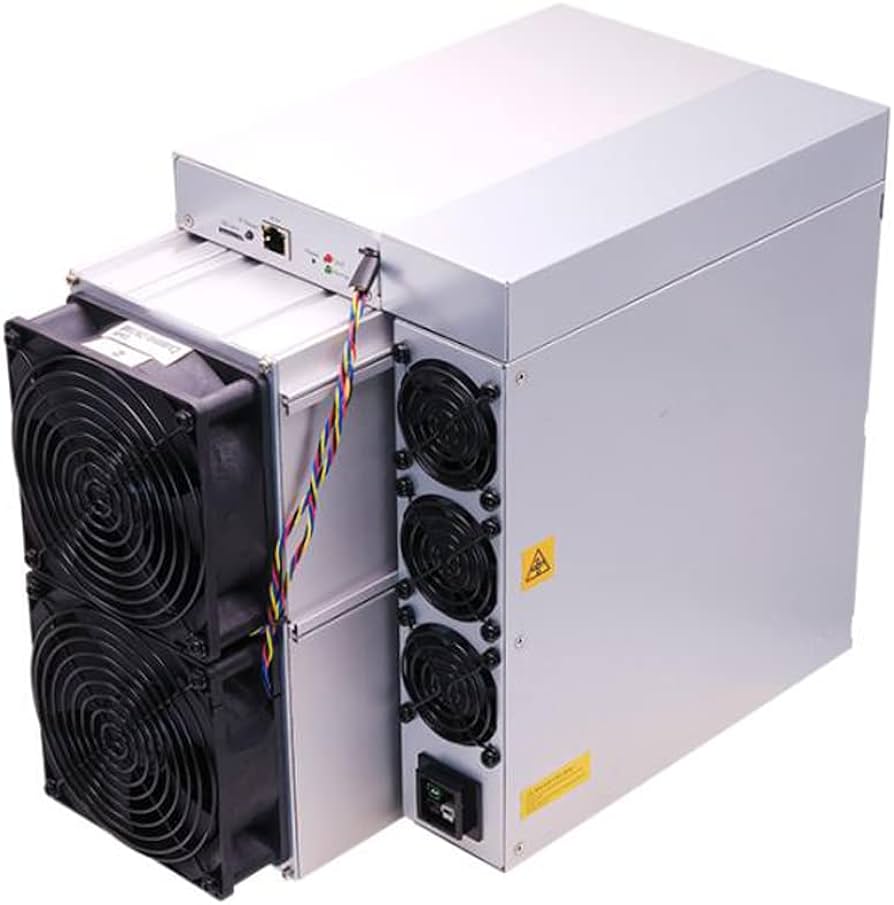
Antminer T17e lỗ $5.06 mỗi ngày khi đào Sha256 ở tốc độ 53 Th/s và tiêu thụ 2915.0 W điện. Đó là sau khi trừ chi phí điện $0.1/kWh — chưa hòa vốn ở mức giá hiện tại.
Bán hashpower Antminer T17e thay vì đào trực tiếp. Mỗi dòng hiển thị giá Sha256 trực tiếp từ NiceHash và Mining Rig Rentals — độ sâu sổ lệnh, giá trọng số và lợi nhuận ngày sau tiền điện ở $0.1/kWh.
| Thời kỳ | /Ngày | /Tháng |
|---|---|---|
| Doanh thu | $2.79 | $83.76 |
|
Chi phí
$0.1/kWh
|
$7.00 | $210.00 |
| Lợi nhuận | $-4.20 | $-126.12 |
| Coin | Algorithm | Doanh thu | Chi phí | Lợi nhuận |
|---|---|---|---|---|

BTC
Bitcoin
|
Sha256
53Th · 2915.0W
|
$1.94 | $7.00 | $-5.06 |
| Pool | Thuật toán hỗ trợ | Phí | |
|---|---|---|---|
|
★
|
Sha256 (BTC) | 1.0% | Visit → |
 LP Agent
| Sàn | Thuật toán | Lợi nhuận /ngày |
|---|---|---|

NiceHash
seller 24h-weighted avg
|
Sha256
0.00000050780 BTC/T/d
|
$-4.94
$2.06 doanh thu · $7.00 chi phí
Xem →
|
|
MRR floor
19% rented · matches cheapest seller
|
Sha256
0.00000068159 BTC/T/d
|
$-4.24
★
$2.76 doanh thu · $7.00 chi phí
Xem →
|
|
MRR recent
last 10 rentals · actual clearing price
|
Sha256
0.00000077330 BTC/T/d
|
$-3.87
★
$3.13 doanh thu · $7.00 chi phí
Xem →
|
|
MRR asking
aspirational — seller wish, not matched
|
Sha256
0.00000069430 BTC/T/d
|
$-4.19
$2.81 doanh thu · $7.00 chi phí
|
| Rigs × Qty | Share | Rev /rig/day | Cost /rig/day | Profit /rig/day | Total profit /day |
|---|---|---|---|---|---|
| — | — | — | — | — | — |
Ước tính thời gian hoàn vốn, tiền điện và lợi nhuận năm đầu cho thiết bị này.
Khi đường cắt qua 0 là hoàn vốn. Sau đó là lãi ròng.
| Month | Earned (mo) | Cost burned (mo) | Cumulative earned | Cumulative cost | Net | % ROI |
|---|
Dựa trên điện năng tiêu thụ/năm và cường độ carbon của các nguồn lưới điện thông dụng.
| Nguồn năng lượng | CO₂e / năm |
|---|---|
| Wind | 277.04 kg |
| Nuclear | 302.23 kg |
| Hydroelectric | 604.45 kg |
| Geothermal | 957.05 kg |
| Solar | 1,133.35 kg |
| Biofuels | 5,792.69 kg |
| Gas | 12,340.94 kg |
| Coal | 20,652.19 kg |
Chỉ là ước tính — số liệu thực phụ thuộc vào thiết bị, làm mát và lưới điện.
At the world-average grid intensity of about 475 g CO₂e/kWh, Antminer T17e running 24/7 for a year releases about 11,963 kg of carbon dioxide equivalent. Here's what that looks like in everyday terms:
Electricity is not one thing. A kilowatt-hour from a coal plant carries roughly 820 g of CO₂; the same kilowatt-hour from a hydro reservoir carries about 24 g. That's a 34× difference — large enough that Antminer T17e's annual footprint swings from roughly 20,652 kg on coal-heavy grids down to about 604 kg on hydro-dominated grids. The single biggest lever a miner has on their carbon footprint is choosing where to plug in.
Regions commonly used for low-carbon crypto mining include Quebec and British Columbia (hydro-dominated, typically <50 g CO₂/kWh), Iceland and Norway (geothermal + hydro, often <30 g), Paraguay (Itaipú hydro), and parts of the US Pacific Northwest. Coal-heavy grids — Kazakhstan, Inner Mongolia, Poland, parts of Australia — sit at the opposite end, often above 700 g CO₂/kWh.
Some operators also reduce their net impact by using otherwise-wasted energy: flare gas at oil wells (burning methane that would be vented anyway), curtailed renewables (wind or solar that the grid can't absorb), or behind-the-meter hydro during off-peak hours. These arrangements can drop effective emissions below the local grid average because the energy would have been wasted or flared without the mining load.
Yearly electricity use = rig power (W) × 24 × 365 ÷ 1000. We multiply that by each row's grid intensity in grams CO₂-equivalent per kWh and convert to kilograms. Intensities are representative averages — real emissions depend on your specific utility mix, time of day, and local transmission losses.
It depends almost entirely on where the electricity comes from. A single rig plugged into hydro in Quebec emits less over a year than an average family's two cars in a month. The same rig on a coal-dominated grid can exceed that in a few days. The hardware is the same — the grid is what changes the answer.
Network-wide estimates vary by methodology; the Cambridge Centre for Alternative Finance's Bitcoin Electricity Consumption Index is the most widely cited reference. As of recent reporting, the network's sustainable-energy share has grown as more hashrate migrates to hydro, wind, solar, and stranded-gas sites. This page just estimates a single rig — for the big picture, CCAF's dashboard is the best source.
Not directly. The rig draws the same wattage regardless of which pool it joins or how difficulty trends — so its electricity use, and therefore its emissions, stay constant. Those factors change revenue, not power consumption.


| Thời kỳ | /Ngày | /Tháng |
|---|---|---|
| Doanh thu | $2.79 | $83.76 |
|
Chi phí
$0.1/kWh
|
$7.00 | $210.00 |
| Lợi nhuận | $-4.20 | $-126.12 |
| Coin | Algorithm | Doanh thu | Chi phí | Lợi nhuận |
|---|---|---|---|---|
|
BTC
Bitcoin
|
Sha256
53Th · 2915.0W
|
$1.94 | $7.00 | $-5.06 |
| Pool | Thuật toán hỗ trợ | Phí | |
|---|---|---|---|
|
★
|
Sha256 (BTC) | 1.0% | Visit → |
| Sàn | Thuật toán | Lợi nhuận /ngày |
|---|---|---|
|
NiceHash
seller 24h-weighted avg
|
Sha256
0.00000050780 BTC/T/d
|
$-4.94
$2.06 doanh thu · $7.00 chi phí
Xem →
|
|
MRR floor
19% rented · matches cheapest seller
|
Sha256
0.00000068159 BTC/T/d
|
$-4.24
★
$2.76 doanh thu · $7.00 chi phí
Xem →
|
|
MRR recent
last 10 rentals · actual clearing price
|
Sha256
0.00000077330 BTC/T/d
|
$-3.87
★
$3.13 doanh thu · $7.00 chi phí
Xem →
|
|
MRR asking
aspirational — seller wish, not matched
|
Sha256
0.00000069430 BTC/T/d
|
$-4.19
$2.81 doanh thu · $7.00 chi phí
|
| Rigs × Qty | Share | Rev /rig/day | Cost /rig/day | Profit /rig/day | Total profit /day |
|---|---|---|---|---|---|
| — | — | — | — | — | — |
Ước tính thời gian hoàn vốn, tiền điện và lợi nhuận năm đầu cho thiết bị này.
Khi đường cắt qua 0 là hoàn vốn. Sau đó là lãi ròng.
| Month | Earned (mo) | Cost burned (mo) | Cumulative earned | Cumulative cost | Net | % ROI |
|---|
Dựa trên điện năng tiêu thụ/năm và cường độ carbon của các nguồn lưới điện thông dụng.
| Nguồn năng lượng | CO₂e / năm |
|---|---|
| Wind | 277.04 kg |
| Nuclear | 302.23 kg |
| Hydroelectric | 604.45 kg |
| Geothermal | 957.05 kg |
| Solar | 1,133.35 kg |
| Biofuels | 5,792.69 kg |
| Gas | 12,340.94 kg |
| Coal | 20,652.19 kg |
Chỉ là ước tính — số liệu thực phụ thuộc vào thiết bị, làm mát và lưới điện.
At the world-average grid intensity of about 475 g CO₂e/kWh, Antminer T17e running 24/7 for a year releases about 11,963 kg of carbon dioxide equivalent. Here's what that looks like in everyday terms:
Electricity is not one thing. A kilowatt-hour from a coal plant carries roughly 820 g of CO₂; the same kilowatt-hour from a hydro reservoir carries about 24 g. That's a 34× difference — large enough that Antminer T17e's annual footprint swings from roughly 20,652 kg on coal-heavy grids down to about 604 kg on hydro-dominated grids. The single biggest lever a miner has on their carbon footprint is choosing where to plug in.
Regions commonly used for low-carbon crypto mining include Quebec and British Columbia (hydro-dominated, typically <50 g CO₂/kWh), Iceland and Norway (geothermal + hydro, often <30 g), Paraguay (Itaipú hydro), and parts of the US Pacific Northwest. Coal-heavy grids — Kazakhstan, Inner Mongolia, Poland, parts of Australia — sit at the opposite end, often above 700 g CO₂/kWh.
Some operators also reduce their net impact by using otherwise-wasted energy: flare gas at oil wells (burning methane that would be vented anyway), curtailed renewables (wind or solar that the grid can't absorb), or behind-the-meter hydro during off-peak hours. These arrangements can drop effective emissions below the local grid average because the energy would have been wasted or flared without the mining load.
Yearly electricity use = rig power (W) × 24 × 365 ÷ 1000. We multiply that by each row's grid intensity in grams CO₂-equivalent per kWh and convert to kilograms. Intensities are representative averages — real emissions depend on your specific utility mix, time of day, and local transmission losses.
It depends almost entirely on where the electricity comes from. A single rig plugged into hydro in Quebec emits less over a year than an average family's two cars in a month. The same rig on a coal-dominated grid can exceed that in a few days. The hardware is the same — the grid is what changes the answer.
Network-wide estimates vary by methodology; the Cambridge Centre for Alternative Finance's Bitcoin Electricity Consumption Index is the most widely cited reference. As of recent reporting, the network's sustainable-energy share has grown as more hashrate migrates to hydro, wind, solar, and stranded-gas sites. This page just estimates a single rig — for the big picture, CCAF's dashboard is the best source.
Not directly. The rig draws the same wattage regardless of which pool it joins or how difficulty trends — so its electricity use, and therefore its emissions, stay constant. Those factors change revenue, not power consumption.